GITEC 2026 - Agenda
Register    ➤

Agenda

4:30 PM EDT

3 HRS
4:30 PM EDT 3 HRS
Opening Ceremonies

Opening Ceremonies

GITEC 2026 will kick off with an informal Welcome Reception at the Omni Hotel, giving attendees an opportunity to connect ahead of the main conference programming.

Read More

GITEC 2026 will kick off with an informal Welcome Reception at the Omni Hotel, giving attendees an opportunity to connect ahead of the main conference programming.

From 3:00–4:00 PM, select attendees will be invited to a private whiskey tasting, offering a relaxed setting for early networking. During this time, exhibitors will also arrive and set up, preparing their spaces for the conference days ahead.

The Welcome Reception will begin around 5:00 PM and is open to all registered attendees. Guests are encouraged to stop by, grab a drink, and reconnect with colleagues, speakers, sponsors, and exhibitors in a casual environment before the conference officially begins.

GITEC 2026 will kick off with an informal Welcome Reception at the Omni Hotel, giving attendees an opportunity to connect ahead of the main conference programming.

Read More

GITEC 2026 will kick off with an informal Welcome Reception at the Omni Hotel, giving attendees an opportunity to connect ahead of the main conference programming.

From 3:00–4:00 PM, select attendees will be invited to a private whiskey tasting, offering a relaxed setting for early networking. During this time, exhibitors will also arrive and set up, preparing their spaces for the conference days ahead.

The Welcome Reception will begin around 5:00 PM and is open to all registered attendees. Guests are encouraged to stop by, grab a drink, and reconnect with colleagues, speakers, sponsors, and exhibitors in a casual environment before the conference officially begins.

Monday, May 4th: Overview Schedule

8:00 AM EDT

1 HR
8:00 AM EDT 1 HR

Registration, Exhibition, and Breakfast

Pick up your badge, grab a cup of coffee, and get ready for GITEC 2026 to officially start! 

Pick up your badge, grab a cup of coffee, and get ready for GITEC 2026 to officially start! 

Pick up your badge, grab a cup of coffee, and get ready for GITEC 2026 to officially start! 

Pick up your badge, grab a cup of coffee, and get ready for GITEC 2026 to officially start! 

9:00 AM EDT

15 MINS
9:00 AM EDT 15 MINS
Main Stage

Opening Remarks

9:15 AM EDT

20 MINS
9:15 AM EDT 20 MINS
Main Stage

Keynote Briefing
9:35 AM EDT

50 MINS
9:35 AM EDT 50 MINS
Main Stage

Leading Modernization at Scale: Strategy, Policy, and Efficiency in Federal IT

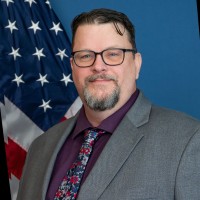
Dave Raley
Dave Raley
Chief Digital Business Officer
U.S. Marine Corps Community Business
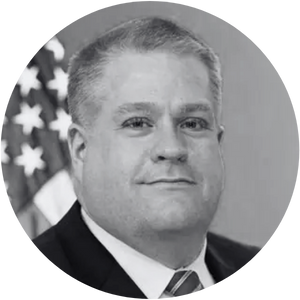
Manny Medrano
Manny Medrano
Director, Cyber Monitoring and Operations
U.S. Department of State

Federal IT modernization is increasingly defined by how well agencies align technology, policy, and mission outcomes. As expectations for security, data-driven decision-making, and service delivery grow, leaders must modernize legacy environments while improving efficiency, governance, and cross-agency collaboration. Success depends on clear executive leadership, disciplined prioritization, and a strategic approach that ties modernization investments to measurable impact.

Read More
Dave Raley
Dave Raley
Chief Digital Business Officer
U.S. Marine Corps Community Business
Manny Medrano
Manny Medrano
Director, Cyber Monitoring and Operations
U.S. Department of State

Federal IT modernization is increasingly defined by how well agencies align technology, policy, and mission outcomes. As expectations for security, data-driven decision-making, and service delivery grow, leaders must modernize legacy environments while improving efficiency, governance, and cross-agency collaboration. Success depends on clear executive leadership, disciplined prioritization, and a strategic approach that ties modernization investments to measurable impact.

Join this executive-level panel featuring senior government IT leaders for a strategic discussion on the decisions shaping federal IT modernization. Panelists will share leadership perspectives on enterprise transformation, policy alignment, risk management, and operational efficiency—offering lessons learned and insights into what effective modernization looks like at scale
 

Federal IT modernization is increasingly defined by how well agencies align technology, policy, and mission outcomes. As expectations for security, data-driven decision-making, and service delivery grow, leaders must modernize legacy environments while improving efficiency, governance, and cross-agency collaboration. Success depends on clear executive leadership, disciplined prioritization, and a strategic approach that ties modernization investments to measurable impact.

Read More
Dave Raley
Dave Raley
Chief Digital Business Officer
U.S. Marine Corps Community Business
Manny Medrano
Manny Medrano
Director, Cyber Monitoring and Operations
U.S. Department of State

Federal IT modernization is increasingly defined by how well agencies align technology, policy, and mission outcomes. As expectations for security, data-driven decision-making, and service delivery grow, leaders must modernize legacy environments while improving efficiency, governance, and cross-agency collaboration. Success depends on clear executive leadership, disciplined prioritization, and a strategic approach that ties modernization investments to measurable impact.

Join this executive-level panel featuring senior government IT leaders for a strategic discussion on the decisions shaping federal IT modernization. Panelists will share leadership perspectives on enterprise transformation, policy alignment, risk management, and operational efficiency—offering lessons learned and insights into what effective modernization looks like at scale
 

10:45 AM EDT

25 MINS
10:45 AM EDT 25 MINS
Main Stage

Break in the Emerging Technology Showcase

11:10 AM EDT

25 MINS
11:10 AM EDT 25 MINS
Main Stage

Navigating the Cyber and AI Landscape: A Leadership Chat

CDR Jonathan White
CDR Jonathan White
Cloud, Data & AI Branch Chief
U.S. Coast Guard (Pending Agency Approval)
Natalie Buda Smith
Natalie Buda Smith
Director of Digital Strategy, OCIO
Library of Congress
Joanne Woytek
Joanne Woytek
SEWP Program Manager
National Aeronautics and Space Adminstration

Cyber and AI initiatives demand strong leadership to ensure security, accountability, and mission alignment. In this fireside chat, senior leaders discuss how they are navigating emerging risks, governing AI use, and building resilient digital environments.

CDR Jonathan White
CDR Jonathan White
Cloud, Data & AI Branch Chief
U.S. Coast Guard (Pending Agency Approval)
Natalie Buda Smith
Natalie Buda Smith
Director of Digital Strategy, OCIO
Library of Congress
Joanne Woytek
Joanne Woytek
SEWP Program Manager
National Aeronautics and Space Adminstration

Cyber and AI initiatives demand strong leadership to ensure security, accountability, and mission alignment. In this fireside chat, senior leaders discuss how they are navigating emerging risks, governing AI use, and building resilient digital environments.

Cyber and AI initiatives demand strong leadership to ensure security, accountability, and mission alignment. In this fireside chat, senior leaders discuss how they are navigating emerging risks, governing AI use, and building resilient digital environments.

CDR Jonathan White
CDR Jonathan White
Cloud, Data & AI Branch Chief
U.S. Coast Guard (Pending Agency Approval)
Natalie Buda Smith
Natalie Buda Smith
Director of Digital Strategy, OCIO
Library of Congress
Joanne Woytek
Joanne Woytek
SEWP Program Manager
National Aeronautics and Space Adminstration

Cyber and AI initiatives demand strong leadership to ensure security, accountability, and mission alignment. In this fireside chat, senior leaders discuss how they are navigating emerging risks, governing AI use, and building resilient digital environments.

11:35 AM EDT

40 MINS
11:35 AM EDT 40 MINS
Main Stage

Innovation, Leadership, and the Federal IT Mission

Leaders from across federal IT gather to exchange insights on leadership, innovation, and advancing agency missions through technology. Featuring women leaders from across the federal government, the discussion highlights their experiences leading IT initiatives and teams across agencies, as leadership roles continue to evolve alongside emerging technologies and shifting mission priorities.The conversation will focus on leadership development, strategic decision-making, and approaches to leading teams through change in complex federal environments. Attendees will gain practical perspectives on effective leadership in government IT, including building resilient organizations, driving innovation, and delivering mission impact through strong, collaborative leadership.

Leaders from across federal IT gather to exchange insights on leadership, innovation, and advancing agency missions through technology. Featuring women leaders from across the federal government, the discussion highlights their experiences leading IT initiatives and teams across agencies, as leadership roles continue to evolve alongside emerging technologies and shifting mission priorities.The conversation will focus on leadership development, strategic decision-making, and approaches to leading teams through change in complex federal environments. Attendees will gain practical perspectives on effective leadership in government IT, including building resilient organizations, driving innovation, and delivering mission impact through strong, collaborative leadership.

Leaders from across federal IT gather to exchange insights on leadership, innovation, and advancing agency missions through technology. Featuring women leaders from across the federal government, the discussion highlights their experiences leading IT initiatives and teams across agencies, as leadership roles continue to evolve alongside emerging technologies and shifting mission priorities.The conversation will focus on leadership development, strategic decision-making, and approaches to leading teams through change in complex federal environments. Attendees will gain practical perspectives on effective leadership in government IT, including building resilient organizations, driving innovation, and delivering mission impact through strong, collaborative leadership.

Leaders from across federal IT gather to exchange insights on leadership, innovation, and advancing agency missions through technology. Featuring women leaders from across the federal government, the discussion highlights their experiences leading IT initiatives and teams across agencies, as leadership roles continue to evolve alongside emerging technologies and shifting mission priorities.The conversation will focus on leadership development, strategic decision-making, and approaches to leading teams through change in complex federal environments. Attendees will gain practical perspectives on effective leadership in government IT, including building resilient organizations, driving innovation, and delivering mission impact through strong, collaborative leadership.

12:15 PM EDT

35 MINS
12:15 PM EDT 35 MINS
Main Stage

GITEC 2026 Awards: Announcement

Celebrate the leaders and teams shaping the future of government technology as we announce the winners across all five GITEC Award categories, honoring innovation, impact, and excellence across the public sector.

Celebrate the leaders and teams shaping the future of government technology as we announce the winners across all five GITEC Award categories, honoring innovation, impact, and excellence across the public sector.

Celebrate the leaders and teams shaping the future of government technology as we announce the winners across all five GITEC Award categories, honoring innovation, impact, and excellence across the public sector.

Celebrate the leaders and teams shaping the future of government technology as we announce the winners across all five GITEC Award categories, honoring innovation, impact, and excellence across the public sector.

12:50 PM EDT

1 HR
12:50 PM EDT 1 HR

Lunch in Emerging Technology Showcase

2:05 PM EDT

45 MINS
2:05 PM EDT 45 MINS
Breakout Track A

Strengthening Cyber Defense with Threat Intelligence

Rudolf Rojas
Rudolf Rojas
Information Technology Management/Systems Analysis
U.S. Department of Agriculture
Raymond Romano
Raymond Romano
Deputy Assistant Director, Cyber Threat and Investigations
U.S. Department of State (Pending Agency Approval)
Col Travis Hartman
Col Travis Hartman
Chief Technology Officer, Army Forces Command
U.S. Army (Former)
Dr. Justin Ubert
Dr. Justin Ubert
Chief, Cybersecurity & Operations Division
U.S. Department of Transportation (Pending Agency Approval)

Amidst the relentless backdrop of daily cyber attacks, organizations confront the urgent imperative of identifying and mitigating relevant threats. This session focuses on exploring the pivotal role that threat intelligence plays in strengthening cybersecurity defenses. Attendees will gain insights into the profound significance of integrating threat intelligence to enhance cybersecurity resilience, understand the operational advantages derived from its effective utilization, and explore the evolving use cases that result in expanding benefits through seamless integration into existing security frameworks.

Rudolf Rojas
Rudolf Rojas
Information Technology Management/Systems Analysis
U.S. Department of Agriculture
Raymond Romano
Raymond Romano
Deputy Assistant Director, Cyber Threat and Investigations
U.S. Department of State (Pending Agency Approval)
Col Travis Hartman
Col Travis Hartman
Chief Technology Officer, Army Forces Command
U.S. Army (Former)
Dr. Justin Ubert
Dr. Justin Ubert
Chief, Cybersecurity & Operations Division
U.S. Department of Transportation (Pending Agency Approval)

Amidst the relentless backdrop of daily cyber attacks, organizations confront the urgent imperative of identifying and mitigating relevant threats. This session focuses on exploring the pivotal role that threat intelligence plays in strengthening cybersecurity defenses. Attendees will gain insights into the profound significance of integrating threat intelligence to enhance cybersecurity resilience, understand the operational advantages derived from its effective utilization, and explore the evolving use cases that result in expanding benefits through seamless integration into existing security frameworks.

Rudolf Rojas
Raymond Romano
+2
2 more speakers

Amidst the relentless backdrop of daily cyber attacks, organizations confront the urgent imperative of identifying and mitigating relevant threats. This session focuses on exploring the pivotal role that threat intelligence plays in strengthening cybersecurity defenses. Attendees will gain insights into the profound significance of integrating threat intelligence to enhance cybersecurity resilience, understand the operational advantages derived from its effective utilization, and explore the evolving use cases that result in expanding benefits through seamless integration into existing security frameworks.

Rudolf Rojas
Rudolf Rojas
Information Technology Management/Systems Analysis
U.S. Department of Agriculture
Raymond Romano
Raymond Romano
Deputy Assistant Director, Cyber Threat and Investigations
U.S. Department of State (Pending Agency Approval)
Col Travis Hartman
Col Travis Hartman
Chief Technology Officer, Army Forces Command
U.S. Army (Former)
Dr. Justin Ubert
Dr. Justin Ubert
Chief, Cybersecurity & Operations Division
U.S. Department of Transportation (Pending Agency Approval)

Amidst the relentless backdrop of daily cyber attacks, organizations confront the urgent imperative of identifying and mitigating relevant threats. This session focuses on exploring the pivotal role that threat intelligence plays in strengthening cybersecurity defenses. Attendees will gain insights into the profound significance of integrating threat intelligence to enhance cybersecurity resilience, understand the operational advantages derived from its effective utilization, and explore the evolving use cases that result in expanding benefits through seamless integration into existing security frameworks.

Rudolf Rojas
Raymond Romano
+2
2 more speakers

2:05 PM EDT

40 MINS
2:05 PM EDT 40 MINS
Breakout Track B

Building and Sustaining the Federal Workforce of the Future

COL Kris Saling
COL Kris Saling
Technology Advisor, Office of the Assistant Secretary of the Army
U.S. Army

Recruiting and retaining top talent is a pressing challenge for federal agencies seeking to stay competitive in an evolving job market. This panel will examine innovative approaches to attract highly skilled professionals while addressing systemic barriers to recruitment, including complex hiring processes and competition with the private sector. Discussions will center on creating compelling value propositions for prospective employees, leveraging data to identify trends, and tailoring retention strategies to meet the diverse needs of a multi-generational workforce. Attendees will gain actionable insights into improving employee engagement, onboarding practices, and fostering a workplace culture that supports long-term career satisfaction. This session is an invaluable opportunity to learn from peers and experts on how to build and sustain a resilient federal workforce.

COL Kris Saling
COL Kris Saling
Technology Advisor, Office of the Assistant Secretary of the Army
U.S. Army

Recruiting and retaining top talent is a pressing challenge for federal agencies seeking to stay competitive in an evolving job market. This panel will examine innovative approaches to attract highly skilled professionals while addressing systemic barriers to recruitment, including complex hiring processes and competition with the private sector. Discussions will center on creating compelling value propositions for prospective employees, leveraging data to identify trends, and tailoring retention strategies to meet the diverse needs of a multi-generational workforce. Attendees will gain actionable insights into improving employee engagement, onboarding practices, and fostering a workplace culture that supports long-term career satisfaction. This session is an invaluable opportunity to learn from peers and experts on how to build and sustain a resilient federal workforce.

Recruiting and retaining top talent is a pressing challenge for federal agencies seeking to stay competitive in an evolving job market. This panel will examine innovative approaches to attract highly skilled professionals while addressing systemic barriers to recruitment, including complex hiring processes and competition with the private sector. Discussions will center on creating compelling value propositions for prospective employees, leveraging data to identify trends, and tailoring retention strategies to meet the diverse needs of a multi-generational workforce. Attendees will gain actionable insights into improving employee engagement, onboarding practices, and fostering a workplace culture that supports long-term career satisfaction. This session is an invaluable opportunity to learn from peers and experts on how to build and sustain a resilient federal workforce.

COL Kris Saling
COL Kris Saling
Technology Advisor, Office of the Assistant Secretary of the Army
U.S. Army

Recruiting and retaining top talent is a pressing challenge for federal agencies seeking to stay competitive in an evolving job market. This panel will examine innovative approaches to attract highly skilled professionals while addressing systemic barriers to recruitment, including complex hiring processes and competition with the private sector. Discussions will center on creating compelling value propositions for prospective employees, leveraging data to identify trends, and tailoring retention strategies to meet the diverse needs of a multi-generational workforce. Attendees will gain actionable insights into improving employee engagement, onboarding practices, and fostering a workplace culture that supports long-term career satisfaction. This session is an invaluable opportunity to learn from peers and experts on how to build and sustain a resilient federal workforce.

2:45 PM EDT

40 MINS
2:45 PM EDT 40 MINS
Breakout Track B

Modernizing Federal Applications for Mission Agility and Scale

Rick Miner
Rick Miner
Deputy Assistant Chief Information Officer for Satellites
National Oceanic and Atmospheric Administration, U.S. Department of Commerce

As federal agencies modernize their digital environments, application modernization has become a critical driver of mission agility, security, and operational efficiency. This discussion will explore how agencies are evolving legacy applications through cloud-native architectures, modular development, improved data integration, and automation. Panelists will examine common challenges such as technical debt, interoperability, security, and workforce readiness, as well as strategies for scaling modernization efforts across complex environments. Speakers will also discuss how emerging technologies, automation, and DevSecOps practices are reshaping the application lifecycle. Attendees will gain insights into strategies that support scalable, resilient applications capable of meeting current and future mission demands.

Rick Miner
Rick Miner
Deputy Assistant Chief Information Officer for Satellites
National Oceanic and Atmospheric Administration, U.S. Department of Commerce

As federal agencies modernize their digital environments, application modernization has become a critical driver of mission agility, security, and operational efficiency. This discussion will explore how agencies are evolving legacy applications through cloud-native architectures, modular development, improved data integration, and automation. Panelists will examine common challenges such as technical debt, interoperability, security, and workforce readiness, as well as strategies for scaling modernization efforts across complex environments. Speakers will also discuss how emerging technologies, automation, and DevSecOps practices are reshaping the application lifecycle. Attendees will gain insights into strategies that support scalable, resilient applications capable of meeting current and future mission demands.

As federal agencies modernize their digital environments, application modernization has become a critical driver of mission agility, security, and operational efficiency. This discussion will explore how agencies are evolving legacy applications through cloud-native architectures, modular development, improved data integration, and automation. Panelists will examine common challenges such as technical debt, interoperability, security, and workforce readiness, as well as strategies for scaling modernization efforts across complex environments. Speakers will also discuss how emerging technologies, automation, and DevSecOps practices are reshaping the application lifecycle. Attendees will gain insights into strategies that support scalable, resilient applications capable of meeting current and future mission demands.

Rick Miner
Rick Miner
Deputy Assistant Chief Information Officer for Satellites
National Oceanic and Atmospheric Administration, U.S. Department of Commerce

As federal agencies modernize their digital environments, application modernization has become a critical driver of mission agility, security, and operational efficiency. This discussion will explore how agencies are evolving legacy applications through cloud-native architectures, modular development, improved data integration, and automation. Panelists will examine common challenges such as technical debt, interoperability, security, and workforce readiness, as well as strategies for scaling modernization efforts across complex environments. Speakers will also discuss how emerging technologies, automation, and DevSecOps practices are reshaping the application lifecycle. Attendees will gain insights into strategies that support scalable, resilient applications capable of meeting current and future mission demands.

2:50 PM EDT

35 MINS
2:50 PM EDT 35 MINS
Breakout Track A

Quantum on the Horizon: Security, Strategy, and Federal IT Readiness

Dr. Tina Brower-Thomas
Joint Appointee
Howard University & Brookhaven National Laboratory
Dr. Merrick Watchorn
Chief, Cyber & Quantum
U.S. Air Force
Daniel Buchholz
Daniel Buchholz
Red Cell Section Chief
U.S. Department of State (Pending Agency Approval)

Quantum technologies are poised to significantly impact federal IT modernization, reshaping how agencies think about security, resilience, and long-term infrastructure planning. As quantum capabilities advance, agencies are beginning to assess implications for encryption, secure communications, and data protection—reinforcing the need for quantum-resistant approaches that align with Zero Trust principles. Preparing for a post-quantum future requires balancing immediate risk mitigation with forward-looking strategy across mission systems and enterprise environments.

Read More
Dr. Tina Brower-Thomas
Joint Appointee
Howard University & Brookhaven National Laboratory
Dr. Merrick Watchorn
Chief, Cyber & Quantum
U.S. Air Force
Daniel Buchholz
Daniel Buchholz
Red Cell Section Chief
U.S. Department of State (Pending Agency Approval)

Quantum technologies are poised to significantly impact federal IT modernization, reshaping how agencies think about security, resilience, and long-term infrastructure planning. As quantum capabilities advance, agencies are beginning to assess implications for encryption, secure communications, and data protection—reinforcing the need for quantum-resistant approaches that align with Zero Trust principles. Preparing for a post-quantum future requires balancing immediate risk mitigation with forward-looking strategy across mission systems and enterprise environments.

Join this panel discussion with federal and industry leaders as they examine how agencies are incorporating quantum considerations into Zero Trust architectures, modernization roadmaps, and workforce planning. Panelists will share practical insights on post-quantum readiness, emerging use cases, policy alignment, and the decisions being made today to ensure systems remain secure and resilient in a quantum-enabled future.

Quantum technologies are poised to significantly impact federal IT modernization, reshaping how agencies think about security, resilience, and long-term infrastructure planning. As quantum capabilities advance, agencies are beginning to assess implications for encryption, secure communications, and data protection—reinforcing the need for quantum-resistant approaches that align with Zero Trust principles. Preparing for a post-quantum future requires balancing immediate risk mitigation with forward-looking strategy across mission systems and enterprise environments.

Read More
Dr. Tina Brower-Thomas
Joint Appointee
Howard University & Brookhaven National Laboratory
Dr. Merrick Watchorn
Chief, Cyber & Quantum
U.S. Air Force
Daniel Buchholz
Daniel Buchholz
Red Cell Section Chief
U.S. Department of State (Pending Agency Approval)

Quantum technologies are poised to significantly impact federal IT modernization, reshaping how agencies think about security, resilience, and long-term infrastructure planning. As quantum capabilities advance, agencies are beginning to assess implications for encryption, secure communications, and data protection—reinforcing the need for quantum-resistant approaches that align with Zero Trust principles. Preparing for a post-quantum future requires balancing immediate risk mitigation with forward-looking strategy across mission systems and enterprise environments.

Join this panel discussion with federal and industry leaders as they examine how agencies are incorporating quantum considerations into Zero Trust architectures, modernization roadmaps, and workforce planning. Panelists will share practical insights on post-quantum readiness, emerging use cases, policy alignment, and the decisions being made today to ensure systems remain secure and resilient in a quantum-enabled future.

3:30 PM EDT

5 MINS
3:30 PM EDT 5 MINS

Closing Remarks

That's a wrap on our first day of sessions for GITEC 2026!  Join us for our GITEC Awards reception at 4:30PM!

That's a wrap on our first day of sessions for GITEC 2026!  Join us for our GITEC Awards reception at 4:30PM!

That's a wrap on our first day of sessions for GITEC 2026!  Join us for our GITEC Awards reception at 4:30PM!

That's a wrap on our first day of sessions for GITEC 2026!  Join us for our GITEC Awards reception at 4:30PM!

Monday, May 4th: Breakout Track A Schedule

2:05 PM EDT

45 MINS
2:05 PM EDT 45 MINS
Breakout Track A

Strengthening Cyber Defense with Threat Intelligence

Rudolf Rojas
Rudolf Rojas
Information Technology Management/Systems Analysis
U.S. Department of Agriculture
Raymond Romano
Raymond Romano
Deputy Assistant Director, Cyber Threat and Investigations
U.S. Department of State (Pending Agency Approval)
Col Travis Hartman
Col Travis Hartman
Chief Technology Officer, Army Forces Command
U.S. Army (Former)
Dr. Justin Ubert
Dr. Justin Ubert
Chief, Cybersecurity & Operations Division
U.S. Department of Transportation (Pending Agency Approval)

Amidst the relentless backdrop of daily cyber attacks, organizations confront the urgent imperative of identifying and mitigating relevant threats. This session focuses on exploring the pivotal role that threat intelligence plays in strengthening cybersecurity defenses. Attendees will gain insights into the profound significance of integrating threat intelligence to enhance cybersecurity resilience, understand the operational advantages derived from its effective utilization, and explore the evolving use cases that result in expanding benefits through seamless integration into existing security frameworks.

Rudolf Rojas
Rudolf Rojas
Information Technology Management/Systems Analysis
U.S. Department of Agriculture
Raymond Romano
Raymond Romano
Deputy Assistant Director, Cyber Threat and Investigations
U.S. Department of State (Pending Agency Approval)
Col Travis Hartman
Col Travis Hartman
Chief Technology Officer, Army Forces Command
U.S. Army (Former)
Dr. Justin Ubert
Dr. Justin Ubert
Chief, Cybersecurity & Operations Division
U.S. Department of Transportation (Pending Agency Approval)

Amidst the relentless backdrop of daily cyber attacks, organizations confront the urgent imperative of identifying and mitigating relevant threats. This session focuses on exploring the pivotal role that threat intelligence plays in strengthening cybersecurity defenses. Attendees will gain insights into the profound significance of integrating threat intelligence to enhance cybersecurity resilience, understand the operational advantages derived from its effective utilization, and explore the evolving use cases that result in expanding benefits through seamless integration into existing security frameworks.

Rudolf Rojas
Raymond Romano
+2
2 more speakers

Amidst the relentless backdrop of daily cyber attacks, organizations confront the urgent imperative of identifying and mitigating relevant threats. This session focuses on exploring the pivotal role that threat intelligence plays in strengthening cybersecurity defenses. Attendees will gain insights into the profound significance of integrating threat intelligence to enhance cybersecurity resilience, understand the operational advantages derived from its effective utilization, and explore the evolving use cases that result in expanding benefits through seamless integration into existing security frameworks.

Rudolf Rojas
Rudolf Rojas
Information Technology Management/Systems Analysis
U.S. Department of Agriculture
Raymond Romano
Raymond Romano
Deputy Assistant Director, Cyber Threat and Investigations
U.S. Department of State (Pending Agency Approval)
Col Travis Hartman
Col Travis Hartman
Chief Technology Officer, Army Forces Command
U.S. Army (Former)
Dr. Justin Ubert
Dr. Justin Ubert
Chief, Cybersecurity & Operations Division
U.S. Department of Transportation (Pending Agency Approval)

Amidst the relentless backdrop of daily cyber attacks, organizations confront the urgent imperative of identifying and mitigating relevant threats. This session focuses on exploring the pivotal role that threat intelligence plays in strengthening cybersecurity defenses. Attendees will gain insights into the profound significance of integrating threat intelligence to enhance cybersecurity resilience, understand the operational advantages derived from its effective utilization, and explore the evolving use cases that result in expanding benefits through seamless integration into existing security frameworks.

Rudolf Rojas
Raymond Romano
+2
2 more speakers

2:50 PM EDT

35 MINS
2:50 PM EDT 35 MINS
Breakout Track A

Quantum on the Horizon: Security, Strategy, and Federal IT Readiness

Dr. Tina Brower-Thomas
Joint Appointee
Howard University & Brookhaven National Laboratory
Dr. Merrick Watchorn
Chief, Cyber & Quantum
U.S. Air Force
Daniel Buchholz
Daniel Buchholz
Red Cell Section Chief
U.S. Department of State (Pending Agency Approval)

Quantum technologies are poised to significantly impact federal IT modernization, reshaping how agencies think about security, resilience, and long-term infrastructure planning. As quantum capabilities advance, agencies are beginning to assess implications for encryption, secure communications, and data protection—reinforcing the need for quantum-resistant approaches that align with Zero Trust principles. Preparing for a post-quantum future requires balancing immediate risk mitigation with forward-looking strategy across mission systems and enterprise environments.

Read More
Dr. Tina Brower-Thomas
Joint Appointee
Howard University & Brookhaven National Laboratory
Dr. Merrick Watchorn
Chief, Cyber & Quantum
U.S. Air Force
Daniel Buchholz
Daniel Buchholz
Red Cell Section Chief
U.S. Department of State (Pending Agency Approval)

Quantum technologies are poised to significantly impact federal IT modernization, reshaping how agencies think about security, resilience, and long-term infrastructure planning. As quantum capabilities advance, agencies are beginning to assess implications for encryption, secure communications, and data protection—reinforcing the need for quantum-resistant approaches that align with Zero Trust principles. Preparing for a post-quantum future requires balancing immediate risk mitigation with forward-looking strategy across mission systems and enterprise environments.

Join this panel discussion with federal and industry leaders as they examine how agencies are incorporating quantum considerations into Zero Trust architectures, modernization roadmaps, and workforce planning. Panelists will share practical insights on post-quantum readiness, emerging use cases, policy alignment, and the decisions being made today to ensure systems remain secure and resilient in a quantum-enabled future.

Quantum technologies are poised to significantly impact federal IT modernization, reshaping how agencies think about security, resilience, and long-term infrastructure planning. As quantum capabilities advance, agencies are beginning to assess implications for encryption, secure communications, and data protection—reinforcing the need for quantum-resistant approaches that align with Zero Trust principles. Preparing for a post-quantum future requires balancing immediate risk mitigation with forward-looking strategy across mission systems and enterprise environments.

Read More
Dr. Tina Brower-Thomas
Joint Appointee
Howard University & Brookhaven National Laboratory
Dr. Merrick Watchorn
Chief, Cyber & Quantum
U.S. Air Force
Daniel Buchholz
Daniel Buchholz
Red Cell Section Chief
U.S. Department of State (Pending Agency Approval)

Quantum technologies are poised to significantly impact federal IT modernization, reshaping how agencies think about security, resilience, and long-term infrastructure planning. As quantum capabilities advance, agencies are beginning to assess implications for encryption, secure communications, and data protection—reinforcing the need for quantum-resistant approaches that align with Zero Trust principles. Preparing for a post-quantum future requires balancing immediate risk mitigation with forward-looking strategy across mission systems and enterprise environments.

Join this panel discussion with federal and industry leaders as they examine how agencies are incorporating quantum considerations into Zero Trust architectures, modernization roadmaps, and workforce planning. Panelists will share practical insights on post-quantum readiness, emerging use cases, policy alignment, and the decisions being made today to ensure systems remain secure and resilient in a quantum-enabled future.

3:30 PM EDT

5 MINS
3:30 PM EDT 5 MINS

Closing Remarks

That's a wrap on our first day of sessions for GITEC 2026!  Join us for our GITEC Awards reception at 4:30PM!

That's a wrap on our first day of sessions for GITEC 2026!  Join us for our GITEC Awards reception at 4:30PM!

That's a wrap on our first day of sessions for GITEC 2026!  Join us for our GITEC Awards reception at 4:30PM!

That's a wrap on our first day of sessions for GITEC 2026!  Join us for our GITEC Awards reception at 4:30PM!

Monday, May 4th: Breakout Track B Schedule

2:05 PM EDT

40 MINS
2:05 PM EDT 40 MINS
Breakout Track B

Building and Sustaining the Federal Workforce of the Future

COL Kris Saling
COL Kris Saling
Technology Advisor, Office of the Assistant Secretary of the Army
U.S. Army

Recruiting and retaining top talent is a pressing challenge for federal agencies seeking to stay competitive in an evolving job market. This panel will examine innovative approaches to attract highly skilled professionals while addressing systemic barriers to recruitment, including complex hiring processes and competition with the private sector. Discussions will center on creating compelling value propositions for prospective employees, leveraging data to identify trends, and tailoring retention strategies to meet the diverse needs of a multi-generational workforce. Attendees will gain actionable insights into improving employee engagement, onboarding practices, and fostering a workplace culture that supports long-term career satisfaction. This session is an invaluable opportunity to learn from peers and experts on how to build and sustain a resilient federal workforce.

COL Kris Saling
COL Kris Saling
Technology Advisor, Office of the Assistant Secretary of the Army
U.S. Army

Recruiting and retaining top talent is a pressing challenge for federal agencies seeking to stay competitive in an evolving job market. This panel will examine innovative approaches to attract highly skilled professionals while addressing systemic barriers to recruitment, including complex hiring processes and competition with the private sector. Discussions will center on creating compelling value propositions for prospective employees, leveraging data to identify trends, and tailoring retention strategies to meet the diverse needs of a multi-generational workforce. Attendees will gain actionable insights into improving employee engagement, onboarding practices, and fostering a workplace culture that supports long-term career satisfaction. This session is an invaluable opportunity to learn from peers and experts on how to build and sustain a resilient federal workforce.

Recruiting and retaining top talent is a pressing challenge for federal agencies seeking to stay competitive in an evolving job market. This panel will examine innovative approaches to attract highly skilled professionals while addressing systemic barriers to recruitment, including complex hiring processes and competition with the private sector. Discussions will center on creating compelling value propositions for prospective employees, leveraging data to identify trends, and tailoring retention strategies to meet the diverse needs of a multi-generational workforce. Attendees will gain actionable insights into improving employee engagement, onboarding practices, and fostering a workplace culture that supports long-term career satisfaction. This session is an invaluable opportunity to learn from peers and experts on how to build and sustain a resilient federal workforce.

COL Kris Saling
COL Kris Saling
Technology Advisor, Office of the Assistant Secretary of the Army
U.S. Army

Recruiting and retaining top talent is a pressing challenge for federal agencies seeking to stay competitive in an evolving job market. This panel will examine innovative approaches to attract highly skilled professionals while addressing systemic barriers to recruitment, including complex hiring processes and competition with the private sector. Discussions will center on creating compelling value propositions for prospective employees, leveraging data to identify trends, and tailoring retention strategies to meet the diverse needs of a multi-generational workforce. Attendees will gain actionable insights into improving employee engagement, onboarding practices, and fostering a workplace culture that supports long-term career satisfaction. This session is an invaluable opportunity to learn from peers and experts on how to build and sustain a resilient federal workforce.

2:45 PM EDT

40 MINS
2:45 PM EDT 40 MINS
Breakout Track B

Modernizing Federal Applications for Mission Agility and Scale

Rick Miner
Rick Miner
Deputy Assistant Chief Information Officer for Satellites
National Oceanic and Atmospheric Administration, U.S. Department of Commerce

As federal agencies modernize their digital environments, application modernization has become a critical driver of mission agility, security, and operational efficiency. This discussion will explore how agencies are evolving legacy applications through cloud-native architectures, modular development, improved data integration, and automation. Panelists will examine common challenges such as technical debt, interoperability, security, and workforce readiness, as well as strategies for scaling modernization efforts across complex environments. Speakers will also discuss how emerging technologies, automation, and DevSecOps practices are reshaping the application lifecycle. Attendees will gain insights into strategies that support scalable, resilient applications capable of meeting current and future mission demands.

Rick Miner
Rick Miner
Deputy Assistant Chief Information Officer for Satellites
National Oceanic and Atmospheric Administration, U.S. Department of Commerce

As federal agencies modernize their digital environments, application modernization has become a critical driver of mission agility, security, and operational efficiency. This discussion will explore how agencies are evolving legacy applications through cloud-native architectures, modular development, improved data integration, and automation. Panelists will examine common challenges such as technical debt, interoperability, security, and workforce readiness, as well as strategies for scaling modernization efforts across complex environments. Speakers will also discuss how emerging technologies, automation, and DevSecOps practices are reshaping the application lifecycle. Attendees will gain insights into strategies that support scalable, resilient applications capable of meeting current and future mission demands.

As federal agencies modernize their digital environments, application modernization has become a critical driver of mission agility, security, and operational efficiency. This discussion will explore how agencies are evolving legacy applications through cloud-native architectures, modular development, improved data integration, and automation. Panelists will examine common challenges such as technical debt, interoperability, security, and workforce readiness, as well as strategies for scaling modernization efforts across complex environments. Speakers will also discuss how emerging technologies, automation, and DevSecOps practices are reshaping the application lifecycle. Attendees will gain insights into strategies that support scalable, resilient applications capable of meeting current and future mission demands.

Rick Miner
Rick Miner
Deputy Assistant Chief Information Officer for Satellites
National Oceanic and Atmospheric Administration, U.S. Department of Commerce

As federal agencies modernize their digital environments, application modernization has become a critical driver of mission agility, security, and operational efficiency. This discussion will explore how agencies are evolving legacy applications through cloud-native architectures, modular development, improved data integration, and automation. Panelists will examine common challenges such as technical debt, interoperability, security, and workforce readiness, as well as strategies for scaling modernization efforts across complex environments. Speakers will also discuss how emerging technologies, automation, and DevSecOps practices are reshaping the application lifecycle. Attendees will gain insights into strategies that support scalable, resilient applications capable of meeting current and future mission demands.

3:30 PM EDT

5 MINS
3:30 PM EDT 5 MINS

Closing Remarks

That's a wrap on our first day of sessions for GITEC 2026!  Join us for our GITEC Awards reception at 4:30PM!

That's a wrap on our first day of sessions for GITEC 2026!  Join us for our GITEC Awards reception at 4:30PM!

That's a wrap on our first day of sessions for GITEC 2026!  Join us for our GITEC Awards reception at 4:30PM!

That's a wrap on our first day of sessions for GITEC 2026!  Join us for our GITEC Awards reception at 4:30PM!

8:00 AM EDT

1 HR
8:00 AM EDT 1 HR

Check-in and Breakfast

Check-in at the registration desk for our final day of GITEC 2026! 

Check-in at the registration desk for our final day of GITEC 2026! 

Check-in at the registration desk for our final day of GITEC 2026! 

Check-in at the registration desk for our final day of GITEC 2026! 

9:00 AM EDT

20 MINS
9:00 AM EDT 20 MINS
Main Stage

Keynote Briefing

9:20 AM EDT

50 MINS
9:20 AM EDT 50 MINS
Main Stage

IT Modernization Priorities for the Public Sector in 2026 and Beyond

Ankur Saini
Ankur Saini
Acting Chief Technology Officer
Federal Motor Carrier Safety Administration, Department of Transportation (Pending Agency Approval)

As federal agencies and public-sector organizations navigate accelerating technological change, IT modernization remains central to improving mission delivery, strengthening security, and enhancing workforce productivity. This panel will examine the priorities, challenges, and opportunities shaping modernization efforts in 2026—from advancing cloud adoption and data interoperability to integrating emerging technologies and updating legacy systems. Speakers will discuss practical strategies for driving sustainable digital transformation, optimizing resources, and building resilient, future-ready technology environments. Attendees will gain insights into the policies, partnerships, and implementation approaches that are redefining public-sector IT in the years ahead.

Ankur Saini
Ankur Saini
Acting Chief Technology Officer
Federal Motor Carrier Safety Administration, Department of Transportation (Pending Agency Approval)

As federal agencies and public-sector organizations navigate accelerating technological change, IT modernization remains central to improving mission delivery, strengthening security, and enhancing workforce productivity. This panel will examine the priorities, challenges, and opportunities shaping modernization efforts in 2026—from advancing cloud adoption and data interoperability to integrating emerging technologies and updating legacy systems. Speakers will discuss practical strategies for driving sustainable digital transformation, optimizing resources, and building resilient, future-ready technology environments. Attendees will gain insights into the policies, partnerships, and implementation approaches that are redefining public-sector IT in the years ahead.

As federal agencies and public-sector organizations navigate accelerating technological change, IT modernization remains central to improving mission delivery, strengthening security, and enhancing workforce productivity. This panel will examine the priorities, challenges, and opportunities shaping modernization efforts in 2026—from advancing cloud adoption and data interoperability to integrating emerging technologies and updating legacy systems. Speakers will discuss practical strategies for driving sustainable digital transformation, optimizing resources, and building resilient, future-ready technology environments. Attendees will gain insights into the policies, partnerships, and implementation approaches that are redefining public-sector IT in the years ahead.

Ankur Saini
Ankur Saini
Acting Chief Technology Officer
Federal Motor Carrier Safety Administration, Department of Transportation (Pending Agency Approval)

As federal agencies and public-sector organizations navigate accelerating technological change, IT modernization remains central to improving mission delivery, strengthening security, and enhancing workforce productivity. This panel will examine the priorities, challenges, and opportunities shaping modernization efforts in 2026—from advancing cloud adoption and data interoperability to integrating emerging technologies and updating legacy systems. Speakers will discuss practical strategies for driving sustainable digital transformation, optimizing resources, and building resilient, future-ready technology environments. Attendees will gain insights into the policies, partnerships, and implementation approaches that are redefining public-sector IT in the years ahead.

10:50 AM EDT

45 MINS
10:50 AM EDT 45 MINS
Main Stage

Securing Data and Operations in a Digital-First Government

In an increasingly digital world, cybersecurity and data protection are essential to maintaining public trust and ensuring the resilience of government operations. From implementing advanced encryption and threat detection tools to fostering a culture of cyber awareness and inter-agency collaboration, the session will highlight practical approaches and emerging innovations that enhance data integrity and ensure the continuity of mission-critical services.

In an increasingly digital world, cybersecurity and data protection are essential to maintaining public trust and ensuring the resilience of government operations. From implementing advanced encryption and threat detection tools to fostering a culture of cyber awareness and inter-agency collaboration, the session will highlight practical approaches and emerging innovations that enhance data integrity and ensure the continuity of mission-critical services.

In an increasingly digital world, cybersecurity and data protection are essential to maintaining public trust and ensuring the resilience of government operations. From implementing advanced encryption and threat detection tools to fostering a culture of cyber awareness and inter-agency collaboration, the session will highlight practical approaches and emerging innovations that enhance data integrity and ensure the continuity of mission-critical services.

In an increasingly digital world, cybersecurity and data protection are essential to maintaining public trust and ensuring the resilience of government operations. From implementing advanced encryption and threat detection tools to fostering a culture of cyber awareness and inter-agency collaboration, the session will highlight practical approaches and emerging innovations that enhance data integrity and ensure the continuity of mission-critical services.

11:35 AM EDT

40 MINS
11:35 AM EDT 40 MINS
Main Stage

Integrating AI into Federal Systems: From Concept to Deployment

Implementing AI in the public sector involves navigating technical, ethical, and operational challenges. This session focuses on the journey from AI pilot programs to full-scale deployment in federal agencies to aid in modernization efforts. Panelists will share their experiences in developing frameworks and integrating AI with existing systems to deliver value while meeting operational requirements.

Implementing AI in the public sector involves navigating technical, ethical, and operational challenges. This session focuses on the journey from AI pilot programs to full-scale deployment in federal agencies to aid in modernization efforts. Panelists will share their experiences in developing frameworks and integrating AI with existing systems to deliver value while meeting operational requirements.

Implementing AI in the public sector involves navigating technical, ethical, and operational challenges. This session focuses on the journey from AI pilot programs to full-scale deployment in federal agencies to aid in modernization efforts. Panelists will share their experiences in developing frameworks and integrating AI with existing systems to deliver value while meeting operational requirements.

Implementing AI in the public sector involves navigating technical, ethical, and operational challenges. This session focuses on the journey from AI pilot programs to full-scale deployment in federal agencies to aid in modernization efforts. Panelists will share their experiences in developing frameworks and integrating AI with existing systems to deliver value while meeting operational requirements.

HTML Content

LEARN MORE ABOUT sponsorship opportunities