
Agenda
Times are subject to change.
Pick up your badge, grab some breakfast and network with your peers!
Pick up your badge, grab some breakfast and network with your peers!
Welcome to our Public Sector Workforce Modernization Summit!
Welcome to our Public Sector Workforce Modernization Summit!

Mika Cross
Summit ChairATARC Working Group
The shift to hybrid work has reshaped how federal agencies operate, offering new opportunities to enhance flexibility, employee satisfaction, and mission delivery. This panel will explore how agencies are navigating the complexities of hybrid work arrangements, including maintaining team cohesion and productivity while balancing remote and in-office expectations. As hybrid environments expand, safeguarding sensitive data and securing distributed networks have become top priorities for federal IT leaders. Panelists will discuss how agencies are integrating zero trust principles, identity management, and endpoint security to protect mission-critical systems. Attendees will learn about practical strategies to foster collaboration among geographically distributed teams, innovative uses of technology to support hybrid environments, and solutions to common challenges, such as equity in access to resources and work-life balance.
Join us to uncover actionable insights and engage with experts shaping the future of hybrid work in the public sector.
The shift to hybrid work has reshaped how federal agencies operate, offering new opportunities to enhance flexibility, employee satisfaction, and mission delivery. This panel will explore how agencies are navigating the complexities of hybrid work arrangements, including maintaining team cohesion and productivity while balancing remote and in-office expectations. As hybrid environments expand, safeguarding sensitive data and securing distributed networks have become top priorities for federal IT leaders. Panelists will discuss how agencies are integrating zero trust principles, identity management, and endpoint security to protect mission-critical systems. Attendees will learn about practical strategies to foster collaboration among geographically distributed teams, innovative uses of technology to support hybrid environments, and solutions to common challenges, such as equity in access to resources and work-life balance.
Read More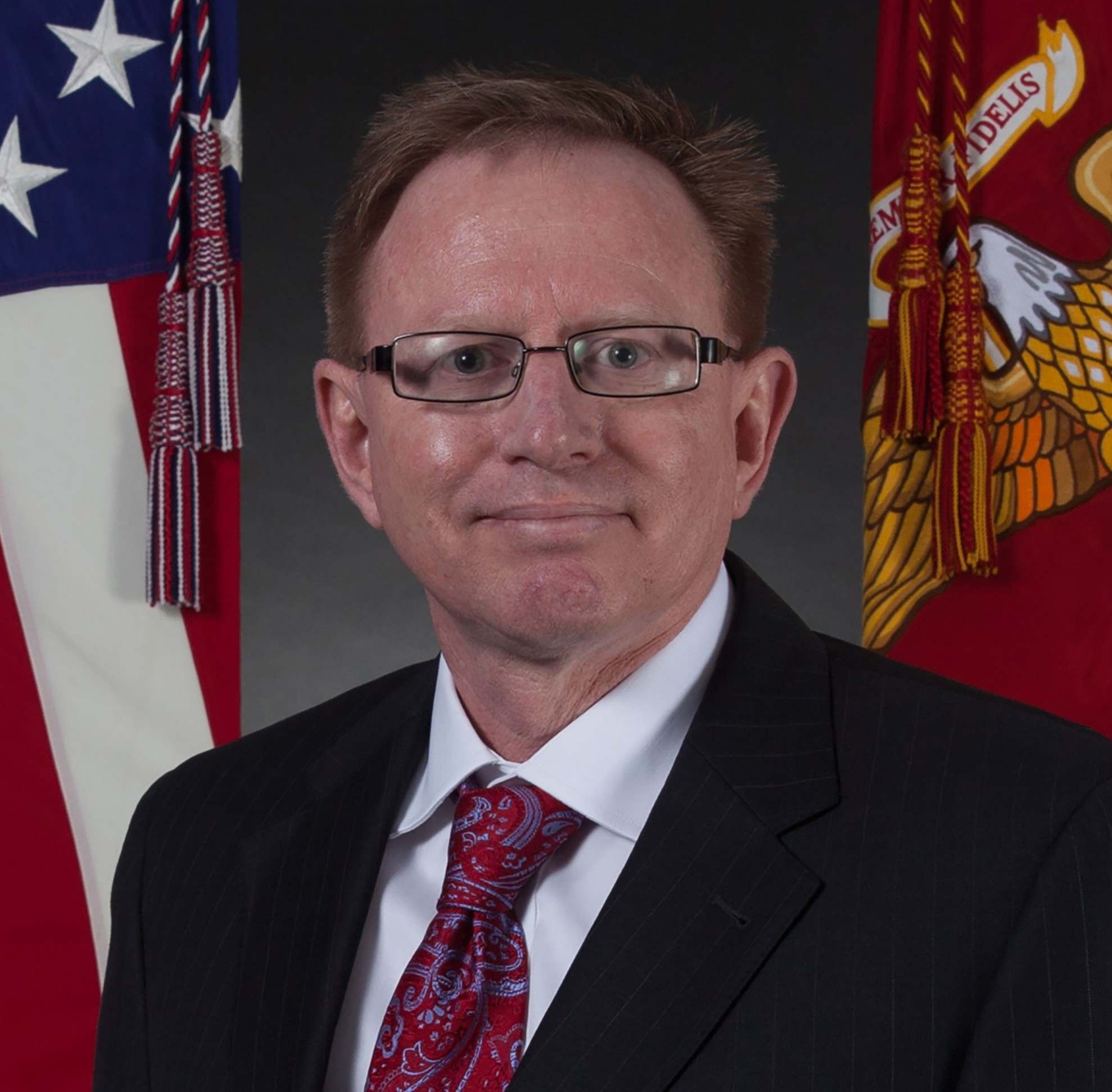
Dr. Daniel Corbin
Chief Technical Advisor IC4, Command, Control, Communications, and Computers (C4) division in the Office of the Deputy Command for InformationUnited States Marine Corps
Derrick Davis
Senior Fellow, AI For Developing Countries Forum, Center for Research in Emergent Manufacturing (CREM)University of Maryland, Baltimore County
Federal agencies must adapt to range of human capital challenges to support their most critical employees and mission priorities. This session explores how agencies can embrace new technology platforms to realize immediate and lasting operational benefits. Join Travis Hoadley, Industry Executive Advisor at SAP Public Services, as he shares actionable strategies for embarking on an impactful human capital modernization journey.
Attendees will discover how intentional human capital modernization—powered by SAP SuccessFactors—can deliver results now and unlock greater innovation over time. This session will highlight how technology decisions public sector leaders make today will shape the future of federal human capital resilience and mission readiness.
Federal agencies must adapt to range of human capital challenges to support their most critical employees and mission priorities. This session explores how agencies can embrace new technology platforms to realize immediate and lasting operational benefits. Join Travis Hoadley, Industry Executive Advisor at SAP Public Services, as he shares actionable strategies for embarking on an impactful human capital modernization journey.
Read More
Travis Hoadley
Industry Executive AdvisorSAP Public Services
Operational readiness isn't just about the person in uniform; it’s about the strength and stability of the entire "Total Force" ecosystem. For Federal leaders and military families alike, the administrative burden of service—deployment, PCS moves, and healthcare navigation—remains a significant barrier to retention and resilience. In this session, we explore an approach that places the military/service family at the center of digital transformation. We will dive into how Salesforce acts as an agile engagement layer over complex legacy systems to simplify the most stressful milestones. Learn how we are ensuring that when a family moves, their support system moves with them, creating a seamless experience across the entire Federal enterprise.
Operational readiness isn't just about the person in uniform; it’s about the strength and stability of the entire "Total Force" ecosystem. For Federal leaders and military families alike, the administrative burden of service—deployment, PCS moves, and healthcare navigation—remains a significant barrier to retention and resilience. In this session, we explore an approach that places the military/service family at the center of digital transformation. We will dive into how Salesforce acts as an agile engagement layer over complex legacy systems to simplify the most stressful milestones. Learn how we are ensuring that when a family moves, their support system moves with them, creating a seamless experience across the entire Federal enterprise.

Pete Lington
Area Vice PresidentU.S. Department of War, Salesforce
In an era of rapid technological and operational change, upskilling the federal workforce is not just an option—it’s a necessity. This panel will focus on how agencies can equip their employees with the critical skills needed to meet evolving demands and achieve their missions. From fostering a culture of continuous learning to designing targeted training programs, this session will delve into proven strategies and innovative approaches to workforce development. Attendees will gain insights into leveraging partnerships with academic institutions and private organizations, using data to identify skill gaps, and creating accessible training opportunities for diverse learners. Join us to discover how investing in upskilling can enhance agency resilience and employee engagement.
In an era of rapid technological and operational change, upskilling the federal workforce is not just an option—it’s a necessity. This panel will focus on how agencies can equip their employees with the critical skills needed to meet evolving demands and achieve their missions. From fostering a culture of continuous learning to designing targeted training programs, this session will delve into proven strategies and innovative approaches to workforce development. Attendees will gain insights into leveraging partnerships with academic institutions and private organizations, using data to identify skill gaps, and creating accessible training opportunities for diverse learners. Join us to discover how investing in upskilling can enhance agency resilience and employee engagement.
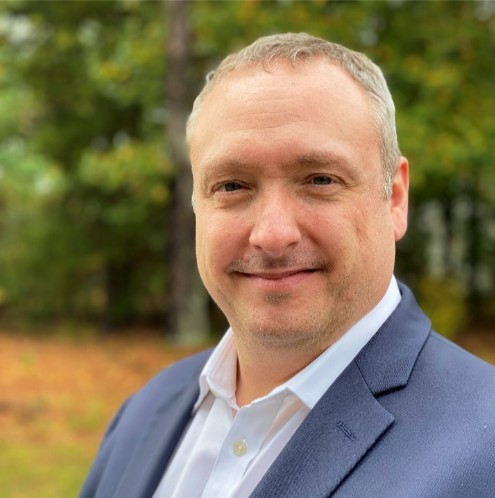
Tony Holmes
Practice Lead for Solutions Architects Public SectorPluralsight
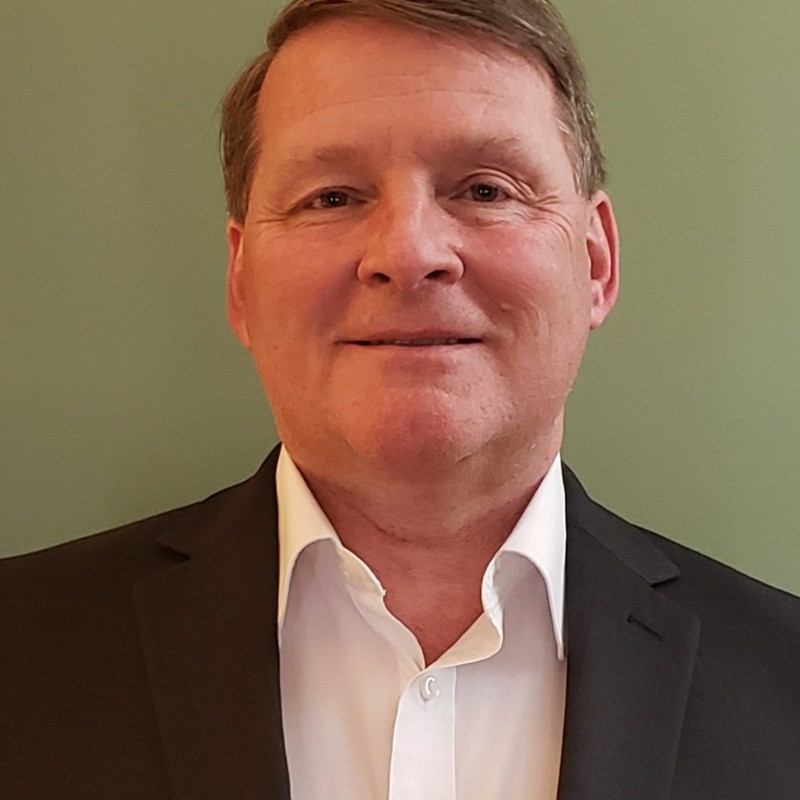
Donald Heckman
Cybersecurity Subject Matter ExpertU.S. Army Combat Capabilities Development Command (DEVCOM) C5ISR Center
As the federal landscape shifts from AI experimentation to operational integration, Human Resources leaders are no longer just observers of technology—they are the primary architects of the AI-enabled workforce. With the launch of the OPM "US Tech Force" and the rise of Agentic AI, the mandate for 2026 is clear: AI must be leveraged not merely for administrative efficiency, but as a strategic lever to achieve agency missions. This session provides Federal HR leaders with a high-level roadmap to transition from fragmented AI pilots to a unified, mission-centric talent strategy.
As the federal landscape shifts from AI experimentation to operational integration, Human Resources leaders are no longer just observers of technology—they are the primary architects of the AI-enabled workforce. With the launch of the OPM "US Tech Force" and the rise of Agentic AI, the mandate for 2026 is clear: AI must be leveraged not merely for administrative efficiency, but as a strategic lever to achieve agency missions. This session provides Federal HR leaders with a high-level roadmap to transition from fragmented AI pilots to a unified, mission-centric talent strategy.
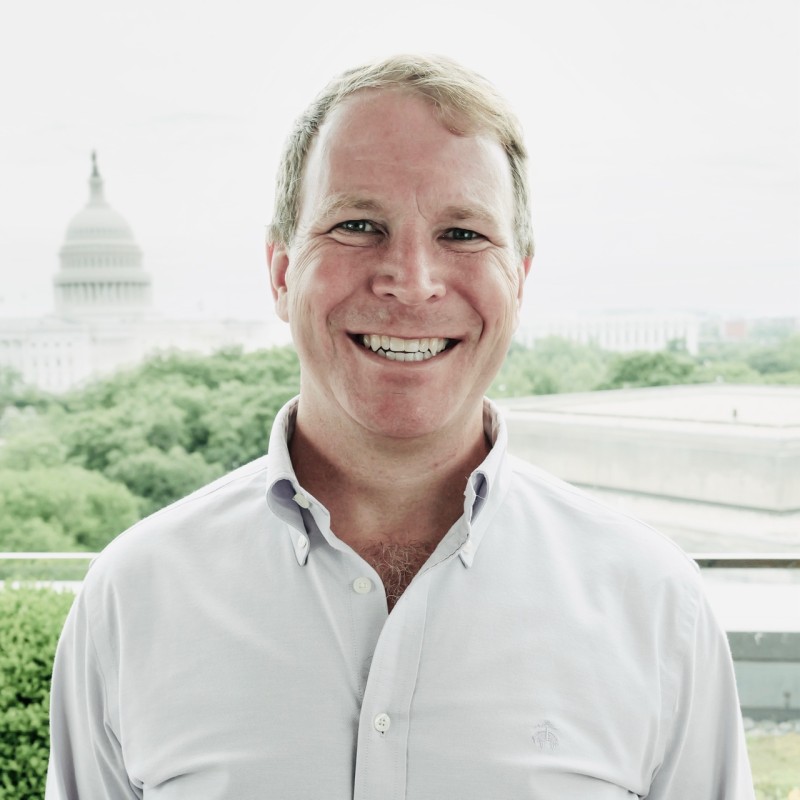
Matthew Cornelius
Managing Director, FederalWorkday
Building a workforce that reflects the nation is critical to the success of federal agencies. This panel will explore strategies for creating an environment where all employees feel valued and empowered to contribute to their fullest potential. Attendees will learn practical approaches for fostering workplace cultures, improving recruitment and retention practices, and addressing barriers that may hinder employee success. The discussion will feature innovative examples from federal agencies and provide actionable insights for building a workplace that drives mission success through perspectives and talents.
Building a workforce that reflects the nation is critical to the success of federal agencies. This panel will explore strategies for creating an environment where all employees feel valued and empowered to contribute to their fullest potential. Attendees will learn practical approaches for fostering workplace cultures, improving recruitment and retention practices, and addressing barriers that may hinder employee success. The discussion will feature innovative examples from federal agencies and provide actionable insights for building a workplace that drives mission success through perspectives and talents.
Read More
Sarah Moffat
Senior Advisor, Innovation & Strategy ChangeNational Aeronautics and Space Administration

Kevin Sanchez-Cherry
Cyber Policy, Training and Workforce Manager, Office of Cybersecurity, Privacy and ProtectionU.S. Department of Transportation

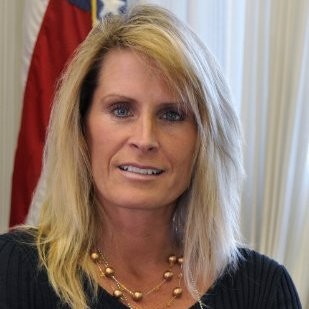
Joanie Newhart
Associate Administrator of Acquisition Workforce ProgramsOffice of Management and Budget

Recruiting and retaining top talent is a pressing challenge for federal agencies seeking to stay competitive in an evolving job market. This panel will examine innovative approaches to attract highly skilled professionals while addressing systemic barriers to recruitment, including complex hiring processes and competition with the private sector. Discussions will center on creating compelling value propositions for prospective employees, leveraging data to identify trends, and tailoring retention strategies to meet the diverse needs of a multi-generational workforce. Attendees will gain actionable insights into improving employee engagement, onboarding practices, and fostering a workplace culture that supports long-term career satisfaction. This session is an invaluable opportunity to learn from peers and experts on how to build and sustain a resilient federal workforce.
Recruiting and retaining top talent is a pressing challenge for federal agencies seeking to stay competitive in an evolving job market. This panel will examine innovative approaches to attract highly skilled professionals while addressing systemic barriers to recruitment, including complex hiring processes and competition with the private sector. Discussions will center on creating compelling value propositions for prospective employees, leveraging data to identify trends, and tailoring retention strategies to meet the diverse needs of a multi-generational workforce. Attendees will gain actionable insights into improving employee engagement, onboarding practices, and fostering a workplace culture that supports long-term career satisfaction. This session is an invaluable opportunity to learn from peers and experts on how to build and sustain a resilient federal workforce.
Brian Correia
Director of Business DevelopmentGlobal Information Assurance Certification, SANS Institute
Lori Michalski
Chief Human Capital OfficerU.S. Department of Housing and Urban Development

LaNettae Scott
Senior Human Resources AnalystOffice of Inspector General, U.S. Department of Housing and Urban Development
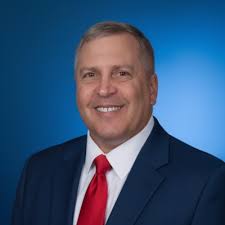
Merrick Krause
Former Federal ExecutiveU.S. Federal Government

Sean Newhouse
Staff ReporterGovernment Executive
Stay after our Public Sector Workforce Summit and participate in our FREE educational workshop! Touching on themes and topics we've covered in earlier sessions, please reserve your seat via this registration link, here.
As critical and emerging technologies rapidly evolve, organizations across sectors must modernize strategies to support workforce readiness, interoperability, and long-term capabilities. This interactive session will examine how participation in standardization activities can serve as a powerful workforce modernization lever—helping organizations align skills development, role definition, and training investments with real-world implementation needs and emerging federal priorities.
Presented by ASCET, a transformative initiative launched in 2025 to strengthen U.S. leadership in international standardization, this session will support stakeholders across government, industry, academia, and nonprofit organizations as they modernize workforce strategies alongside fast-moving technologies such as artificial intelligence, quantum technologies, biotechnology, and semiconductors/microelectronics.
ASCET will highlight practical approaches to preparing the workforce for effective engagement in standards development, aligning skills and roles to implementation and compliance needs, and sustaining workforce capabilities as standards are developed and deployed.
Stay after our Public Sector Workforce Summit and participate in our FREE educational workshop! Touching on themes and topics we've covered in earlier sessions, please reserve your seat via this registration link, here.
Read More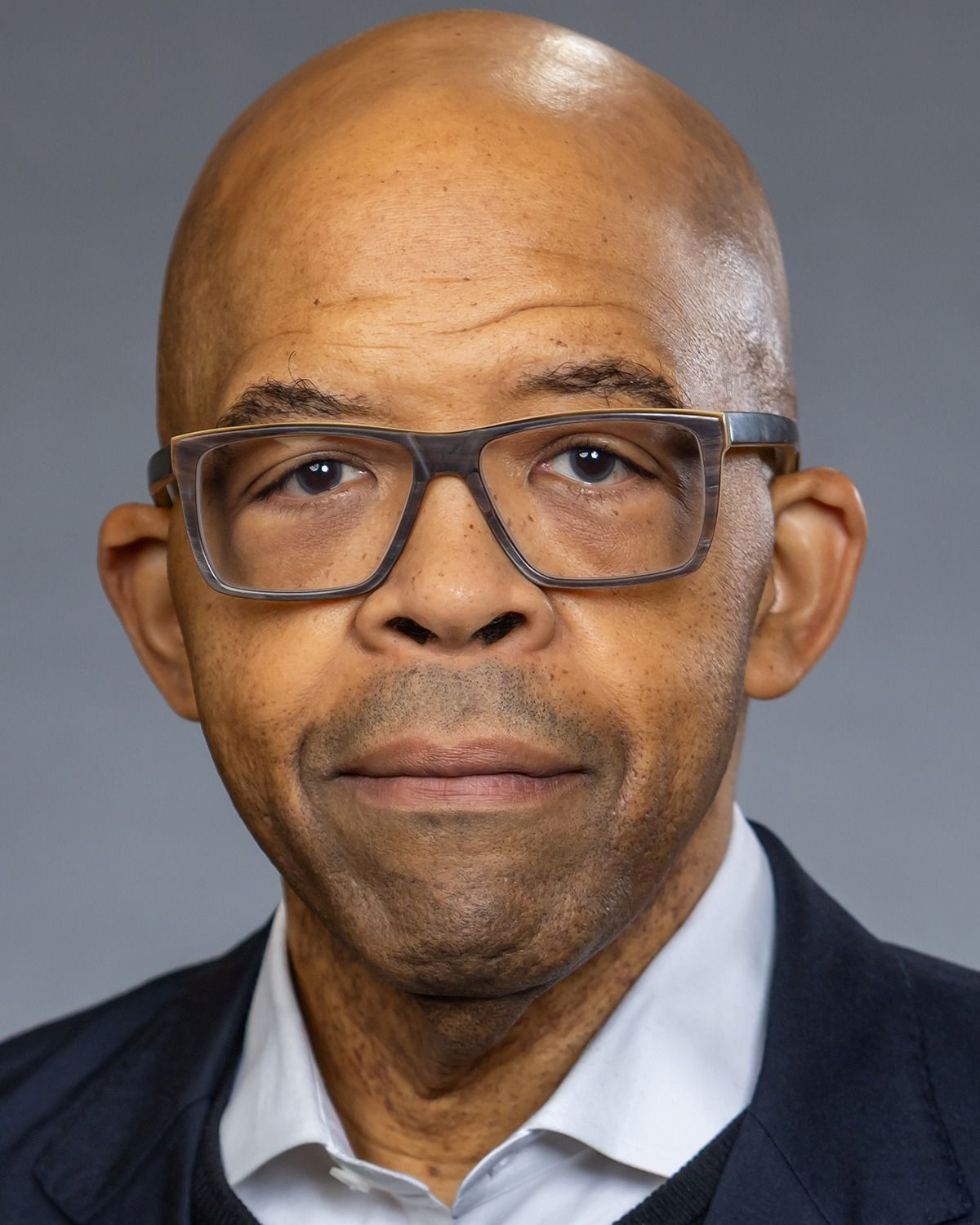
Dr. James H. Dickerson
DirectorASCET Center of Excellence, ASTM International
HTML Content
LEARN MORE ABOUT sponsorship opportunities